Cold-snap update: 16 packs are back soon, and each one lists in-stock alternatives.

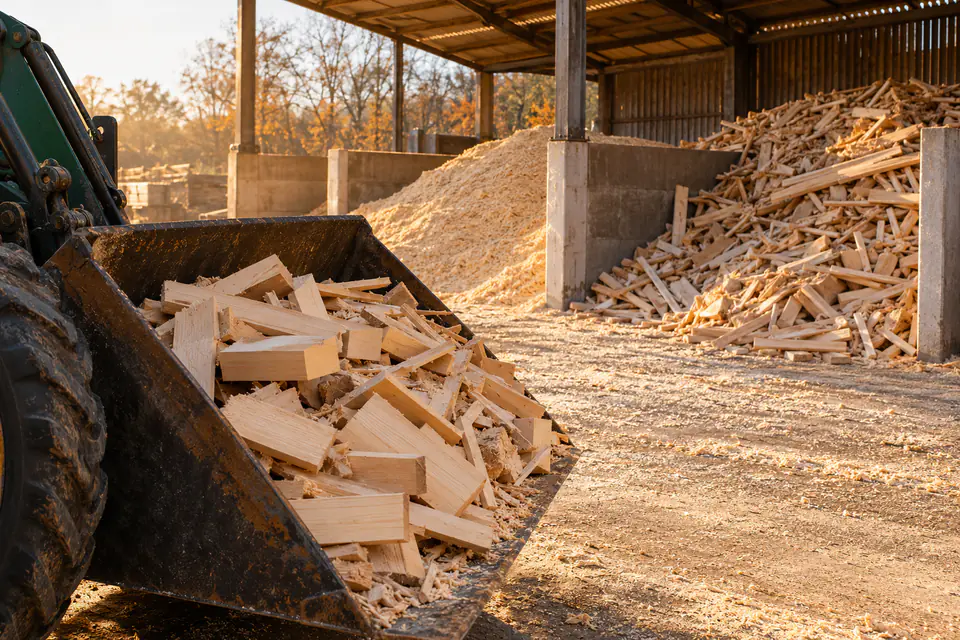
Clean sawdust and joinery offcuts in a covered bay, with a loader bucket full of offcuts in the foreground

Sustainability

Waste wood, working for a living

Every tonne of Gundi pellets is a tonne of clean wood that would otherwise have been landfilled, burned in a skip or chipped for low-value uses.

of waste wood diverted from landfill and incineration each year
19,000 t
estimated CO₂e avoided each year where our pellets displace heating oil
12,350 t
typical feedstock and delivery radius from Nottingham
60 miles
virgin trees felled to make our pellets
0

The journey

Offcuts in. Certified warmth out.

Our tagline is also our supply chain, and it is a short one.

  1. Clean sawdust and timber offcuts in a covered workshop bay beside a loader bucket.
    1

    Offcuts in

    Sawdust, shavings and offcuts that joiners, sawmills and orchards would otherwise skip.

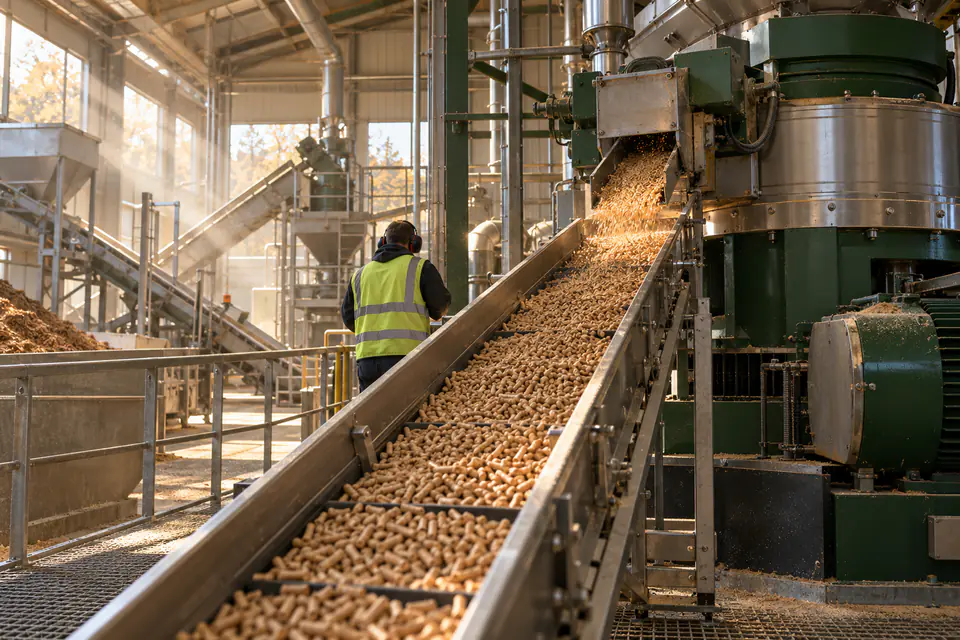
  2. Warm wood pellets pour from a green ring-die pellet mill onto a conveyor while an operator checks the line
    2

    Pressed and tested

    Dried, pressed with a touch of food-grade maize starch, then held until the lab releases the batch.

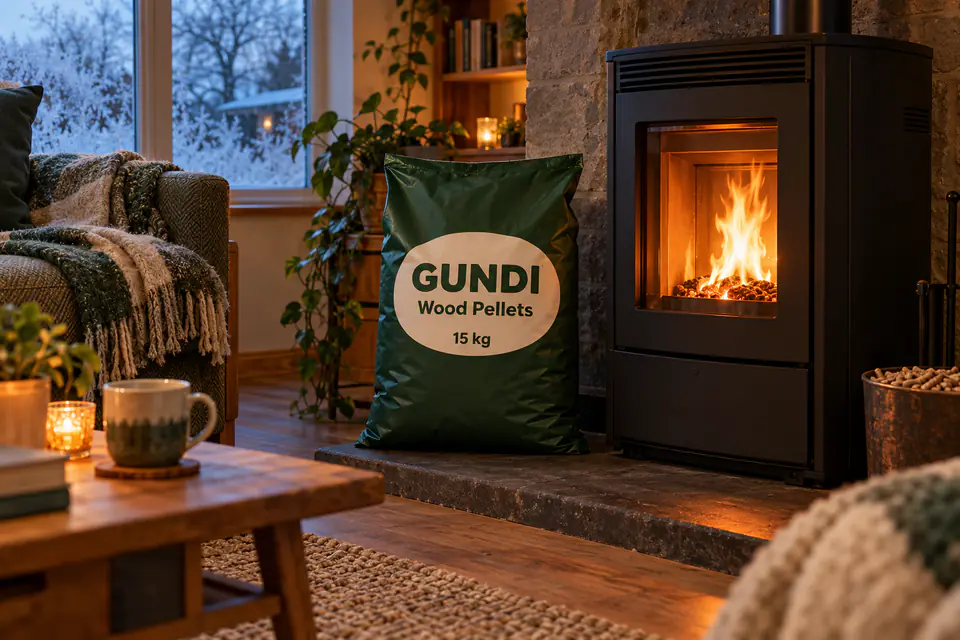
  3. Glowing pellet stove and a green GUNDI bag in a cosy room with a frosted window.
    3

    Certified warmth out

    Burned in a Nottinghamshire stove or boiler, usually within a few dozen miles of where the wood grew.

Landfill diversion, done properly

We only take clean wood: sawmill offcuts, joinery shavings, furniture off-cuts, orchard prunings, whisky barrel staves, and untreated pallet wood. Around 19,000 tonnes a year of it arrives at The Fuel Works instead of a landfill site.

Because we reject painted, treated and demolition wood at the gate, our pellets burn cleanly, and the ash is fit for the garden rather than the hazardous-waste skip.

Why pellets beat heating oil

The carbon in a wood pellet was taken from the air recently, not from a reservoir millions of years old. Switching a boiler from oil to pellets can cut the CO₂e of heating by around 90%, once you count growing, processing and delivery. Our estimate above uses a conservative figure per tonne of pellets.

Short supply chain

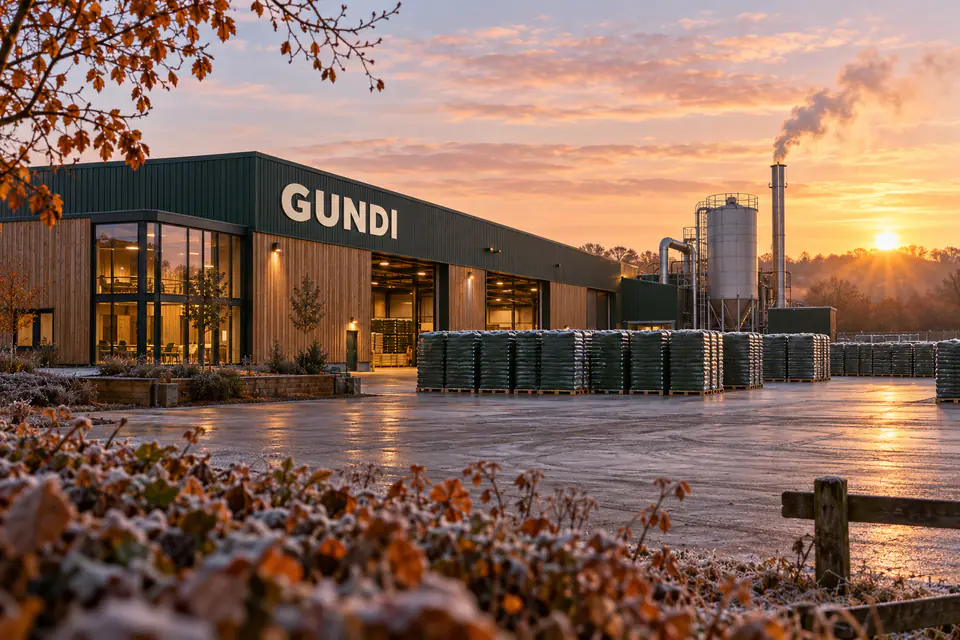
Most of our wood comes from within 60 miles. Our own fleet delivers within the same radius, so a Nottinghamshire offcut is typically burned in a Nottinghamshire stove.

Low-binder pellets

Our pellets use only a touch of food-grade maize starch and we are working on using even less, with no synthetic binders or chemical additives.

The grade-B rule

Clean pallet wood is graded B at most. It is never allowed into A1 or A2 pellets, and painted or demolition wood never gets through the gate.

Every January

Christmas-tree season

A local Rotary club collects trees for charity and sends the shredded remains to us, where they become pellets for the rest of the winter.

Figures are illustrative estimates for a fictional company.